The Bible contains a notable verse in Proverbs 13:22:
"A good person leaves an inheritance for their children’s children, but a sinner’s wealth is stored up for the righteous."
This suggests that even if it appears that the wealth of the wicked continues to accumulate, eventually, in due time, that wealth will be transferred to the righteous. A related passage reinforces this idea:
"Though he heaps up silver like dust and clothes like piles of clay, what he lays up the righteous will wear, and the innocent will divide his silver."
These passages illustrate the transient nature of wealth accumulated through unjust means, emphasizing that such riches ultimately benefit those who are righteous.
Observations in life often affirm these scriptures. The flow of substantial wealth seems to find its rightful place over time. No matter how much the wicked amass, their riches often dissipate like dust in the wind. This principle applies not only to individuals but also to corporations built on unethical foundations. A company established through dishonest means cannot stand firm; rotten roots cannot produce healthy fruits. Without sound roots, no fruit can flourish, rendering the tree useless, fit only for firewood.
Consider a case where a family's patriarchs were renowned for their virtue, contributing significantly to history. However, subsequent generations began to exploit this legacy for selfish gains. The misdeeds accumulated over time, leading to the squandering of the family's wealth. Despite attempts to conceal their wrongdoings, these actions eventually became vulnerabilities, leading to the family's downfall.
This scenario exemplifies "affliction in abundance." Transforming ancestral virtue into vice and hastily covering it up led to the family's collapse. In the process, their amassed wealth was sold off cheaply, ultimately benefiting those who are diligent and righteous.
While not an absolute rule, the principle of karma suggests that the seeds of sin sown by the wicked will eventually bear fruit, leading to their downfall and potentially harming others. In efforts to hide their sins, they may commit even more, akin to quenching thirst with seawater. One must choose whether to break free from the chains of sin to gain freedom or to continue hiding sins, thereby entangling themselves further.
Believing in divine justice means recognizing that wealth in this life is as transient as sand in one's palm, susceptible to being scattered or gathered by the will of the wind.
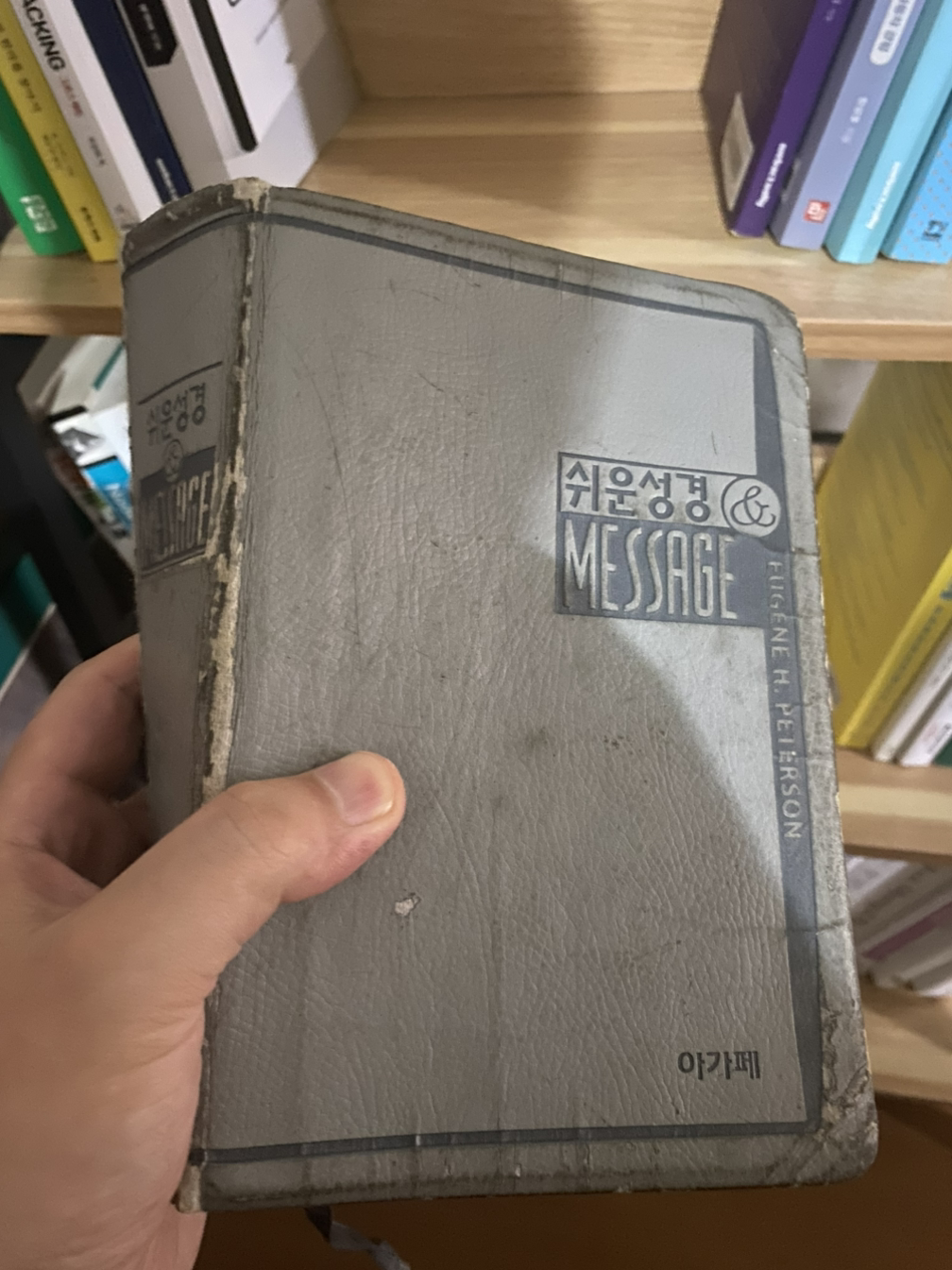
성경에서 한 가지 인상적인 말씀이 있다. 잠언 13장 22절에는
"선한 사람은 자기 재산을 후손에게 물려 주지만 죄인의 재산은 선한 사람을 위해 쌓인다."
- 현대인의 성경
라는 말씀이 있다. 악인의 부가 우리가 보기엔 계속해서 쌓이고 있는 것처럼 보여도 어느 날 때가 되면 그 부는 선한 이들을 위해 보내진다는 말씀이다. 이와 관련해서 또 다른 말씀도 있다.
"그가 비록 은을 티끌 같이 쌓고 의복을 진흙 같이 준비할지라도 그가 준비한 것을 의인이 입을 것이요, 그의 은은 죄 없는 자가 차지할 것이며"
- 욥기 27:16-17, 개역개정
인간이 준비된 의복과 준비된 은이 모두 신이 원하는 이에게 돌아갈 것이라는 점은 쌓아둔 재물이 덧없다는 것을 보여준다.
세상을 살면서 알게 되는 것을 떠올려보면 이 말씀이 맞다는 생각이 종종 든다. 거대한 돈의 흐름을 보면 자리를 찾아가는 것을 보게 된다. 악인들이 아무리 쌓아 올린 재산이 거대해도 그것은 바람에 불어 사라지는 것만 같다. 비단 악인뿐만일까. 잘못된 기업도 마찬가지다. 부정한 방법으로 쌓아 올린 재물로 완성된 기업이 제대로 서있을 수나 있을까. 뿌리가 썩어 있는데 열매가 건강하게 나오는 것은 불가능한 일이다. 뿌리가 썩었다면 열매도 맺힐 수 없고, 열매가 맺히지 못하면 쓸모없는 나무가 되어 땔감으로나 쓰이게 된다.
한 가지 예가 떠올랐다. 선대에 아주 선한 분으로 알려진 분의 자제가 있었다. 할아버지와 증조할아버지 세대에 한국 역사에 길이 남을 훌륭한 일을 했던 분들었다. 그러나 아버지 세대를 걸쳐 명성을 악으로 이용하기 시작했다. 아버지 세대 때부터 악으로 쌓아온 업보는 아버지 세대에서 끝나지 않았다. 무능하고 멍청한 아들을 통해서 가문의 부를 거덜내고 아들은 해선 안될 짓을 하면서도 용케도 빠져나가고 살아간다. 그 모든 것이 카르마로 언젠간 돌아올 칼과 약점이 되리라는 걸 모르는 체 말이다.
풍요 속에 고통이다. 선대의 선을 악으로 바꾸었고, 악으로 바꾼 것을 감추는 데 급급하다. 그러니 모든 가업이 무너졌다. 그 과정에서 그들이 쌓아온 재산은 헐값에 팔리고, 그들의 부는 성실하고 의로운 자들에게 돌아간다.
세상의 불문율로 언제나 이렇게 되지는 않겠으나 업보는 쌓인다. 악인이 뿌린 죄의 씨앗은 장성하게 열매를 맺어 자기 자신과 타인까지도 무너뜨린다. 그 죄를 감추기 위해서 더 많은 죄를 남긴다. 목마름을 벗어나기 위해 바닷물을 마시는 것과 같다. 죄의 사슬을 끊어 자유를 얻을 것인가. 죄를 더 지어가면서까지 죄를 감춰보려 애쓸 것인가.
신의 공의를 믿는다면 현생의 부가 손바닥 위에 모래처럼. 바람을 일으키는 자의 의지에 따라 어디로든 흩어질 수 있는 것도. 어떻게든 모일 수 있다는 것도. 동시에 믿는 것이다.